Updated 30 September 2026
Quick answer: Sunday roast in brief: choose topside or sirloin beef, pork loin, leg of lamb or chicken. Roast it to the right core temperature, rest it for 15–30 minutes while the potatoes crisp, and make gravy from the pan juices.
A Sunday roast rarely goes wrong because of the meat. It goes wrong on roast timing: the beef is done but the potatoes aren't crisp, the Yorkshires are flat, and the gravy is still a pan of juices. The answer is a plan that works backwards from when you want to eat, with the joint resting while you finish everything else. Here's how to cook a Sunday roast with a simple timing plan for beef, pork or lamb.

Step 1: pick one joint for the table
Buy one joint that suits the number of people, not three small ones. Allow about 200–250g of raw boneless meat per person, or more on the bone.
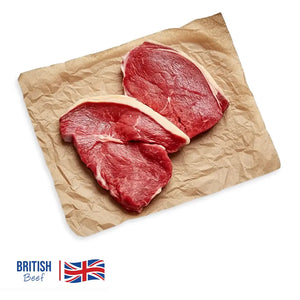
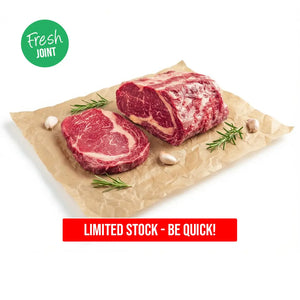
- Beef: Topside Joint 1kg (£21.99) feeds about 4. It's lean, so keep it pink and carve it thinly.
- Pork: Pork Loin Joint 1kg (£8.99) feeds about 4, with crackling.
- Lamb: Whole Carvery Leg of Lamb 2.2-2.7kg (£34.99) is a 2.2–2.7kg bone-in leg that feeds 6–8.
Step 2: know your roast times
| Joint | Start | Then | Rest |
|---|---|---|---|
| Beef topside or sirloin (medium-rare) | 20 min at 220°C | 35–40 min per kg at 180°C, out at 52–54°C | 20–30 min |
| Pork loin | 20–30 min at 220°C (for crackling) | 35 min per kg at 180°C (1kg ≈ 1 hour in total) | 15–20 min |
| Leg of lamb (pink) | 20 min at 220°C | 25 min per kg at 180°C | 20–30 min |
Pork must be cooked through, with no pink and clear juices. Whole cuts of beef and lamb can be served pink. For more detail, see roast beef cooking times per kg, roast pork cooking times per kg and leg of lamb cooking times.
Step 3: the roast timing plan
This plan is for a 1kg topside served at 1pm, with one oven. For pork or lamb, adjust the times from the table above. The principle stays the same: the joint rests while the oven goes up for the potatoes and Yorkshires.
| Time | What to do |
|---|---|
| 11:00 | Take the beef out of the fridge. Peel the potatoes. Make the Yorkshire batter and let it rest. |
| 11:30 | Heat the oven to 220°C (200°C fan). |
| 11:45 | Beef in. Put the potatoes on to parboil. |
| 11:55 | Drain the potatoes and rough them up. Heat the fat in a roasting tin. |
| 12:05 | Turn the oven down to 180°C. Potatoes in, on the shelf below the beef. |
| 12:40 | Check the beef: take it out at 52–54°C for medium-rare. Rest it under foil. Turn the oven up to 220°C and move the potatoes to the top. |
| 12:45 | Yorkshires in: oil in the tin until smoking, then pour in the batter. Don't open the door for 20 minutes. |
| 12:45 | Put the veg on. Make the gravy from the roasting juices. |
| 13:00 | Carve the beef, and serve everything. |
Roast potatoes
Parboil for 8–10 minutes in salted water, until the edges are soft, then drain and shake them in the pan to rough them up. Roast in very hot fat for about 45–60 minutes in total, turning once. Pure Goose Fat 180g (£3.70) gives the crispest result. See our goose fat roast potatoes.
Yorkshire puddings
Whisk equal volumes of eggs, plain flour and milk (about 3 eggs, 140g flour and 200ml milk for 12 puddings) with a pinch of salt, and let the batter rest. Heat 1 tsp of oil in each hole of a muffin tin at 220°C until it's smoking, pour in the batter and bake for 20–25 minutes without opening the door.
Proper gravy
While the joint rests, pour off most of the fat from the roasting tin, set it over the hob and stir in a tablespoon of flour. Add a splash of wine if you like, then about 400ml stock and any resting juices. Simmer, scraping up the sticky bits, until glossy. Season and strain. A spoonful of redcurrant jelly suits lamb, and a little mustard suits beef.


Why resting matters
Resting lets the juices settle back into the meat, so they end up on the plate instead of the board. It also gives you a window of 20–30 minutes with a free oven. The joint's temperature will rise a few degrees while it rests, which is why you take it out a little before your target.
Sunday roast tips from the counter
- Use a thermometer. It takes the guesswork out of the joint.
- Room temperature first. Take the joint out of the fridge an hour before roasting.
- Crowd-proof the potatoes. Use two tins rather than one packed tin.
- Carve across the grain, and thinly for lean joints like topside.
- Warm the plates.
Leftovers
Leftover roast makes great sandwiches, hash and pies. See what to do with leftover roast beef.
Browse our Sunday roast collection and all beef joints, pork joints and legs of lamb.
Shop the cuts in this guide


Cuts we don't stock right now: silverside, rib of beef (forerib), whole chicken or poussin (each page shows the closest cuts we do stock).
Related guides: how long to rest meat.
How we pack your order
Your order is packed at our butchery at St Stephen, near St Austell, in a double-walled box with a sealed thermal liner and gel ice packs, then delivered by DPD next-day on the day you choose. Free delivery over £85.
 Extra strong boxWhite double-walled corrugated cardboard
 Thermal linerAir-infused, padded and sealed
 Gel ice packsRecyclable film, non-toxic food-grade gel
 DPD deliveryOn the day you choose
Sunday roast FAQs
How do you time a Sunday roast?
Work backwards from when you want to eat. Cook the joint first, then rest it while you turn the oven up to finish the potatoes and Yorkshires.
How long does a 1kg beef joint take to roast?
About 20 minutes at 220°C, then 35–40 minutes at 180°C for medium-rare, so roughly an hour. Then rest it for 20–30 minutes.
How long should a roast rest?
Rest beef and lamb for 20–30 minutes, and pork for 15–20 minutes, loosely covered with foil.
Can you cook roast potatoes and meat in the same oven?
Yes. Roast the potatoes below the joint, then move them to the top and turn up the heat while the joint rests.
How much meat do I need per person for a Sunday roast?
About 200–250g of raw boneless meat per person, and a little more for bone-in joints.
What cut of beef is best for a Sunday roast?
Topside for a lean, budget-friendly roast; sirloin for more flavour and tenderness.
How long should a joint rest?
About 15–30 minutes, loosely covered with foil, depending on size.