Updated 30 September 2026
Knowing your cuts of beef is the quickest way to cook better and spend less. The rule is simple: muscles that do little work are tender and suit fast, hot cooking; muscles that work hard are full of flavour and need slow, moist cooking. This guide goes round the animal, cut by cut, with a chart, the best way to cook each one and links to our guides and packs.

The beef carcass in brief
Butchers divide beef into large sections called primals. From front to back:
- Chuck and blade (shoulder): hard-working, marbled, great for braising, stewing and mince.
- Rib: ribeye steaks, rib joints and short ribs. Rich and well marbled.
- Sirloin and fillet (the loin): the most tender cuts: sirloin steak, sirloin joints and fillet.
- Rump: a lean, flavourful steak cut between the loin and the leg.
- Topside, silverside and thick flank (the hindquarter): lean roasting joints.
- Brisket and plate (the underside): fatty and full of connective tissue; slow cooking only.
- Shin and leg: very hard-working; stews and stocks.
Cuts of beef chart
| Cut | Where it comes from | Tenderness | Best way to cook |
|---|---|---|---|
| Fillet | Under the spine | Most tender | Pan-fry, roast whole |
| Sirloin | Back, behind the ribs | Tender | Steaks, roasting joint |
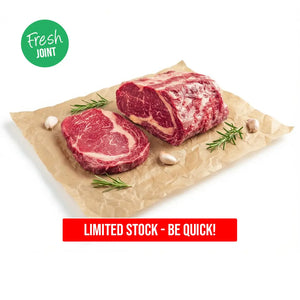
| Ribeye | Rib | Tender, marbled | Steaks, grill, BBQ |
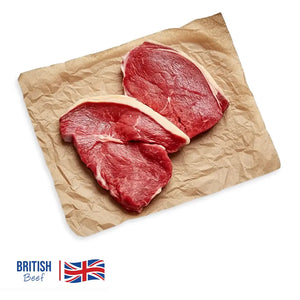
| Rump | Hip | Firm, big flavour | Steaks, grill, stir-fry strips |
| T-bone | Loin, sirloin and fillet on the bone | Tender | Grill, BBQ, pan |
| Topside | Inner hind leg | Lean | Roast rare to medium |
| Chuck | Shoulder | Tough, marbled | Braise, pot roast, mince |
| Braising steak | Shoulder | Tough | Braise, casserole, pies |
| Brisket | Chest | Tough, fatty | Slow braise, smoke |
| Short ribs | Lower rib cage | Tough, marbled | Braise, low-and-slow BBQ |
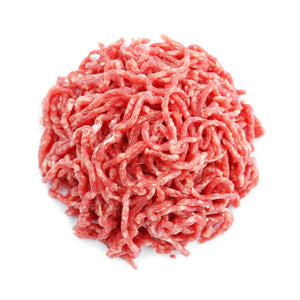
| Mince | Trimmings from several cuts | Depends on fat | Bolognese, burgers, pies |
Tender cuts: steaks and prime joints
Fillet runs beneath the spine and does almost no work, which makes it the most tender cut of beef. It is lean with a mild flavour, and it is at its best cooked quickly and served rare to medium. As a whole piece it makes chateaubriand or beef Wellington. See how to cook fillet steak and our chateaubriand guide.
Sirloin sits in front of the rump, with a strip of fat along one edge that adds flavour. Cut into steaks, it is the all-rounder; left whole, it is one of the best roasting joints there is. See how to cook sirloin steak.
Ribeye comes from the rib and is well marbled, which keeps it juicy on a hot grill or barbecue. Rump is leaner and firmer, with more beefy flavour for the money. For a full comparison, read rump, sirloin or ribeye: which steak should you buy? and types of steak.
Roasting joints
Topside is a lean joint from the inside of the back leg and the classic Sunday roast. Roast it rare to medium and slice it thinly. The Topside Joint 1kg is £21.99. Sirloin joints have more fat and more flavour. For timings, see our roast beef cooking times per kg. All our joints are in beef joints.
Slow-cooking cuts
These are the best value cuts of beef, and many cooks think the tastiest.
- Chuck is from the shoulder: marbled, beefy and ideal for pot roasts, braises and chilli. Beef Chuck 1.5kg (£27.99). See how to cook beef chuck.
- Braising steak is sliced from hard-working muscles and turns soft after 2–3 hours. Braising Steaks 5x 100g (£9.99). See how to cook braising steak.
- Brisket comes from the chest. It needs 3–5 hours, braised or smoked, and repays every minute. Brisket Joint 1kg (£19.99). See how to cook beef brisket.
- Short ribs are thick, meaty ribs for braising or barbecue. See how to cook beef short ribs.
- Diced and stewing beef go into casseroles, pies and curries.


Mince, burgers and strips
Beef mince is made from trimmings of several cuts. The more fat it contains, the juicier (and the more it shrinks); lean mince browns better and gives you more meat in the finished dish. Use it for spaghetti bolognese, chilli, cottage pie and homemade burgers. Thin strips of lean rump are perfect for stir-fries and fajitas.
How to choose the right cut of beef
- Quick midweek dinner: rump, sirloin or ribeye steak, or steak strips.
- Sunday roast: topside or sirloin joint.
- Special occasion: whole fillet, chateaubriand or a big sirloin joint.
- Slow cook or casserole: chuck, braising steak, brisket or diced beef.
- Barbecue: ribeye, T-bone, burgers or low-and-slow brisket and short ribs.
- Family budget: mince, diced beef and chuck.
Where to buy each cut
Our beef range includes every cut above. Jump straight to beef mince, lean beef mince, diced beef, stewing beef, braising steak, beef chuck, brisket, short ribs, beef strips, burgers, or all our steaks.
Cuts of beef FAQs
What are the main cuts of beef?
The main sections, or primals, are the chuck (shoulder), rib, loin (sirloin and fillet), rump, hindquarter (topside and silverside), brisket and plate, and the shin. Each gives different cuts suited to different cooking methods.
What is the most tender cut of beef?
The fillet, because the muscle does very little work. Sirloin and ribeye are also tender and have more fat, and so more flavour.
What are the best cuts of beef for slow cooking?
Chuck, braising steak, brisket, short ribs, shin and diced stewing beef. They are rich in connective tissue that melts into tender meat and rich gravy over a long, gentle cook.
What is the healthiest cut of beef?
Lean cuts with little visible fat, such as topside, fillet, lean rump and lean beef mince, have the least fat per 100g.
What is the best cut of beef for roasting?
Topside is the classic lean roasting joint, sirloin has more flavour thanks to its fat, and a whole fillet is the special-occasion choice.