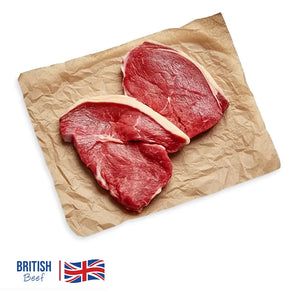
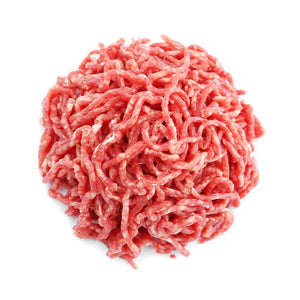
A homemade pork pie is one of the great British bakes: crisp, golden hot water crust pastry wrapped around a peppery, well-seasoned filling, with a layer of savoury jelly in between. The secret is the pork pie meat. Get the right mix of pork shoulder and pork belly from your butcher, season it properly and the rest is easier than you might think. This makes one big pie for a picnic, a ploughman's lunch or the Boxing Day table.

Shop Boneless Pork Shoulder 1.5kg
The best meat for a pork pie
Pork shoulder is the backbone of a good pork pie. It has plenty of flavour and enough marbling to stay juicy through a long bake, but it holds its texture so the filling is meaty rather than mushy. On its own it can be a little lean for a pie, so we mix in some pork belly for richness. Our Boneless Pork Shoulder 1.5kg gives you all the shoulder you need with some to spare for a midweek roast, and a pack of Pork Belly Slices 700g covers the belly, with the rest perfect for the grill. You can find both, and every other cut, in our Pork collection.
Serves: 8–10 | Prep: 45 minutes, plus cooling and overnight chilling | Cook: about 1 hour 55 minutes
Ingredients
- For the filling: 700g boneless pork shoulder
- 250g pork belly slices, rind and any bone removed
- 2 tsp fine salt
- 1 tsp ground white pepper
- 1/2 tsp ground mace
- 1/4 tsp freshly grated nutmeg
- 1 tbsp chopped fresh sage (or 1 tsp dried)
- For the hot water crust pastry: 450g plain flour, 1 tsp fine salt, 150g lard (or 100g lard and 50g butter), 200ml water
- 1 egg, beaten, to glaze
- For the jelly: 300ml good chicken or pork stock and 4 sheets of leaf gelatine
- You will need an 18cm (7in) deep springform or loose-bottomed cake tin
Method
- Cut the pork shoulder and belly into 1cm dice. Pulse about half the meat in a food processor until coarsely minced, then mix it with the diced meat, salt, white pepper, mace, nutmeg and sage. Fry a teaspoon to check the seasoning, then chill while you make the pastry.
- Heat the oven to 200°C (180°C fan). Grease the tin. Mix the flour and salt in a large bowl. Heat the water and lard in a pan until the fat melts and the water just boils, then pour it into the flour and stir with a wooden spoon to a smooth dough.
- When the dough is cool enough to handle but still warm, cut off a quarter for the lid and keep it covered. Press the rest into the base and up the sides of the tin, leaving a little overhanging the rim. Work quickly; hot water crust gets crumbly as it cools.
- Pack in the filling, pressing down firmly so there are no air pockets and doming it slightly in the middle. Roll out the lid, brush the pastry rim with egg, lay the lid on top and crimp the edges together. Cut a 1cm hole in the centre of the lid and brush all over with beaten egg.
- Bake for 30 minutes, then turn the oven down to 170°C (150°C fan) and bake for a further 1 hour 15 minutes. Carefully remove the tin sides, brush the sides of the pie with egg and return for 10–15 minutes until deep golden all over. A probe through the hole should read at least 75°C in the centre.
- Leave the pie to cool for an hour. Soak the gelatine in cold water for 5 minutes, then squeeze it out and stir it into the hot stock until dissolved. Let the stock cool until just warm.
- Using a small funnel or jug, slowly pour the stock through the hole in the lid, a little at a time, until the pie will not take any more. Cool completely, then chill overnight so the jelly sets. Serve in thick slices with pickle and mustard.
Butcher's tips for the filling
Season more than you think. A cold pork pie needs a good hit of salt and white pepper, because flavours are muted once it is chilled. Frying a little test patty before you fill the pie is the only way to be sure. Mace and nutmeg are the classic warm spices.
Texture matters too. All finely minced meat gives a dense, sausage-like filling, while all hand-chopped can fall apart when sliced. Half and half gives you the best of both. Keep the meat well chilled while you work, and press it into the case firmly so there are no gaps for air. If you want to learn more about the cut itself, our How to Cook Boneless Pork Shoulder guide is a good place to start.

Getting hot water crust pastry right
Hot water crust is unlike any other pastry. You make it with hot fat and water, and you shape it while it is still warm and pliable. If it cools too much, it cracks; if it is too hot, it slumps. Patch any small cracks with a scrap of dough. Lard gives the traditional crisp, slightly crumbly crust, while swapping some for butter gives a richer flavour. Do not skip the egg wash on the sides after you remove the tin; it gives the whole pie that deep golden, glossy finish.
Adding the jelly
The jelly is what makes a pork pie a proper pork pie. Use a well-flavoured stock, ideally homemade, and season it with salt and pepper because it will taste blander once set. Pour it in slowly through the hole in the lid while the pie is still slightly warm, waiting for it to soak down before adding more. Chill the pie overnight before slicing so the jelly sets firm.
Serving ideas
Serve your homemade pork pie in thick wedges with piccalilli, Branston-style pickle or English mustard, a chunk of mature Cheddar, pickled onions and crusty bread for a classic ploughman's. It is brilliant for picnics, buffets and Boxing Day. For more pastry bakes, try our Homemade Sausage Rolls, and for something hot with the rest of the belly, our Salt and Pepper Pork Belly is a family favourite.
Food safety and storage
Pork must be cooked all the way through. Check the centre of the filling with a probe thermometer through the hole in the lid: it should read at least 75°C. Cool the pie as quickly as you can, then keep it covered in the fridge and eat within 3 days. Do not leave it at room temperature for more than a couple of hours.
FAQ
What meat goes in a pork pie?
Traditionally pork shoulder, for flavour and texture, mixed with some fattier pork belly so the filling stays moist. Some butchers add a little bacon for a pink colour and a cured flavour. Roughly three parts shoulder to one part belly is a good balance.
Should pork pie meat be minced or chopped?
Both are traditional. Melton Mowbray-style pies use chopped, uncured pork that cooks grey, while many other pies use coarsely minced meat. Hand-chopping some and pulsing the rest in a food processor gives a good mix of texture.
Why is there jelly in a pork pie?
As the pie bakes, the meat shrinks away from the pastry. Pouring in a seasoned stock with gelatine fills that gap, keeps the meat moist and helps the pie keep well. You can leave it out, but the pie will be drier.
How long does a homemade pork pie keep?
Once jellied and chilled, keep it covered in the fridge and eat within 3 days. Pork pie is not one to leave out at room temperature for long, so bring it out about 30 minutes before serving.
Can I make mini pork pies with this recipe?
Yes. Use a deep 12-hole muffin tin, make 12 small pies and bake at 200°C (180°C fan) for 20 minutes, then at 180°C (160°C fan) for about 25 minutes more, until the filling reaches at least 75°C in the centre.