Updated 30 September 2026
A sirloin roast is the king of the Sunday table. It has a band of fat on top that bastes the meat as it cooks, a fine grain that carves into neat slices, and more flavour than topside. It's also easy to cook well if you know the timings. Here's how to cook a sirloin joint, with cooking times per kg for rare to well done, core temperatures, and how to rest and carve it.

Which sirloin joint?
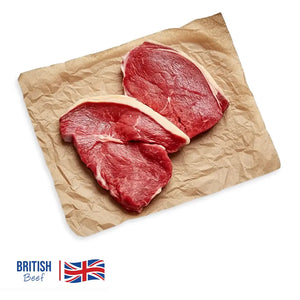
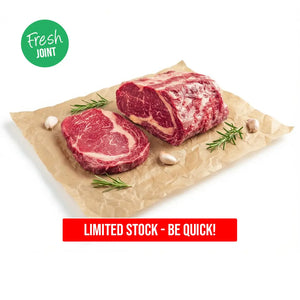
- Sirloin Joint 1kg (£27.99): feeds 4, with its natural marbling to keep it juicy.
- Sirloin Joint 2-2.2kg (Frozen) (£43.99): feeds 8, sent frozen, so thaw it fully in the fridge (allow about 24 hours per 2kg).
- ANGUS Sirloin Joint 4-5kg (£79.99): a whole sirloin of over 10lb, for a crowd or to cut your own steaks.
As a rough guide, allow 200–250g of raw boneless sirloin per person.
How to cook a sirloin roast
- Take it out of the fridge 45 minutes to an hour before roasting. Weigh it to work out the timing.
- Heat the oven to 220°C (200°C fan, gas 7).
- Prepare the fat. Lightly score the fat in a criss-cross, then rub the joint all over with a little oil, plenty of salt and black pepper. A teaspoon of English mustard powder in the rub is traditional.
- Sit it on a trivet of halved onions and carrots in a roasting tin, fat-side up.
- Roast for 20 minutes at the high heat to brown the outside.
- Turn down to 180°C (160°C fan, gas 4) and roast for the time per kg below.
- Check the core temperature in the thickest part.
- Rest the joint, loosely covered with foil, for 20–30 minutes. Make the gravy meanwhile.
Sirloin roast cooking times per kg
After the first 20 minutes at 220°C, at 180°C (160°C fan):
| Doneness | Time per kg | Take it out at | After resting |
|---|---|---|---|
| Rare | 30–35 minutes per kg | 48–50°C | about 52°C |
| Medium-rare | 35–40 minutes per kg | 52–54°C | about 57°C |
| Medium | 40–45 minutes per kg | 57–58°C | about 62°C |
| Well done | 50–55 minutes per kg | 65–68°C | about 70°C |
Examples: a 1kg sirloin joint for medium is 20 minutes plus 40–45 minutes. A 2kg sirloin for medium-rare is 20 minutes plus 70–80 minutes. A 4–5kg whole sirloin needs probing from about 1 hour 45 minutes. Sirloin is long and fairly narrow, so use the lower figure in each range and start checking early. These times match our roast beef cooking times per kg.
Rolled sirloin roast vs whole sirloin
A rolled sirloin has been boned, rolled and tied into a neat cylinder. It cooks evenly and carves into round slices. A whole sirloin (striploin) is a long, flatter piece with the fat on top; it cooks slightly faster per kg because it's thinner. Both use the same method. For the names, see what is striploin.
Resting and carving
Resting is not optional. It lets the juices settle, so they stay in the meat rather than running over the board. Rest for 20–30 minutes; the joint stays hot under foil. Carve across the grain into slices about 5mm thick, with a sharp carving knife and long, smooth strokes. Pour the resting juices into the gravy.
Quick gravy
Pour off most of the fat from the tin, leaving the onions and juices. Put the tin over a medium heat, stir in 1 tbsp plain flour and cook for a minute. Add a splash of red wine and let it bubble, then gradually stir in 500ml beef stock, scraping the tin. Simmer for 5 minutes, add the resting juices, then strain. A ready-made Dine- French Chasseur Sauce (£3.60) is a handy shortcut.


Common sirloin roast mistakes
- Cooking it straight from the fridge. The outside overcooks before the middle warms through.
- Skipping the thermometer. Joints vary in shape, so a probe is the only way to be sure. It's the best few pounds you'll spend on Sunday dinner.
- Trimming off all the fat. Leave the fat cap on; it's what keeps sirloin juicy. Trim on the plate if you must.
- Carving too soon. Give it the full rest.
- Carving with the grain. Look for the lines in the meat and cut across them.
What to serve with a sirloin roast
Yorkshire puddings, goose fat roast potatoes, horseradish sauce, roast carrots and parsnips, greens and plenty of gravy. For a lighter take, serve thin slices of medium-rare sirloin cold with a watercress salad and horseradish crème fraîche.
Leftovers
Cold roast sirloin makes the best beef sandwiches you'll ever eat. It's also excellent in a stir-fry, a steak salad or a quick beef and noodle soup. Cool leftovers quickly, keep them covered in the fridge and eat within 2 days.
Sirloin or topside?
Sirloin has more fat and flavour and is more forgiving; topside is leaner and cheaper and best served no more than medium. See how to cook a topside joint for comparison, and browse all beef joints and Sunday roast joints.
Sirloin roast FAQs
How long does it take to cook a 1kg sirloin joint?
For medium, about 20 minutes at 220°C, then 40–45 minutes at 180°C: just over an hour in total, plus 20–30 minutes' rest.
What temperature should a sirloin roast be cooked to?
Take it out at about 52–54°C for medium-rare or 57–58°C for medium. It rises a few degrees as it rests.
Should you cover a sirloin joint when roasting?
No. Roast it uncovered, fat-side up, so the fat crisps and bastes the meat. Cover it loosely with foil while it rests.
How long should a sirloin roast rest?
20–30 minutes for a 1–2kg joint, and up to 40 minutes for a whole sirloin.
Can you cook a sirloin joint from frozen?
We recommend thawing it fully in the fridge first so it cooks evenly. Allow about 24 hours per 2kg.